Digital Trends Shaping the UK's Future in 2026
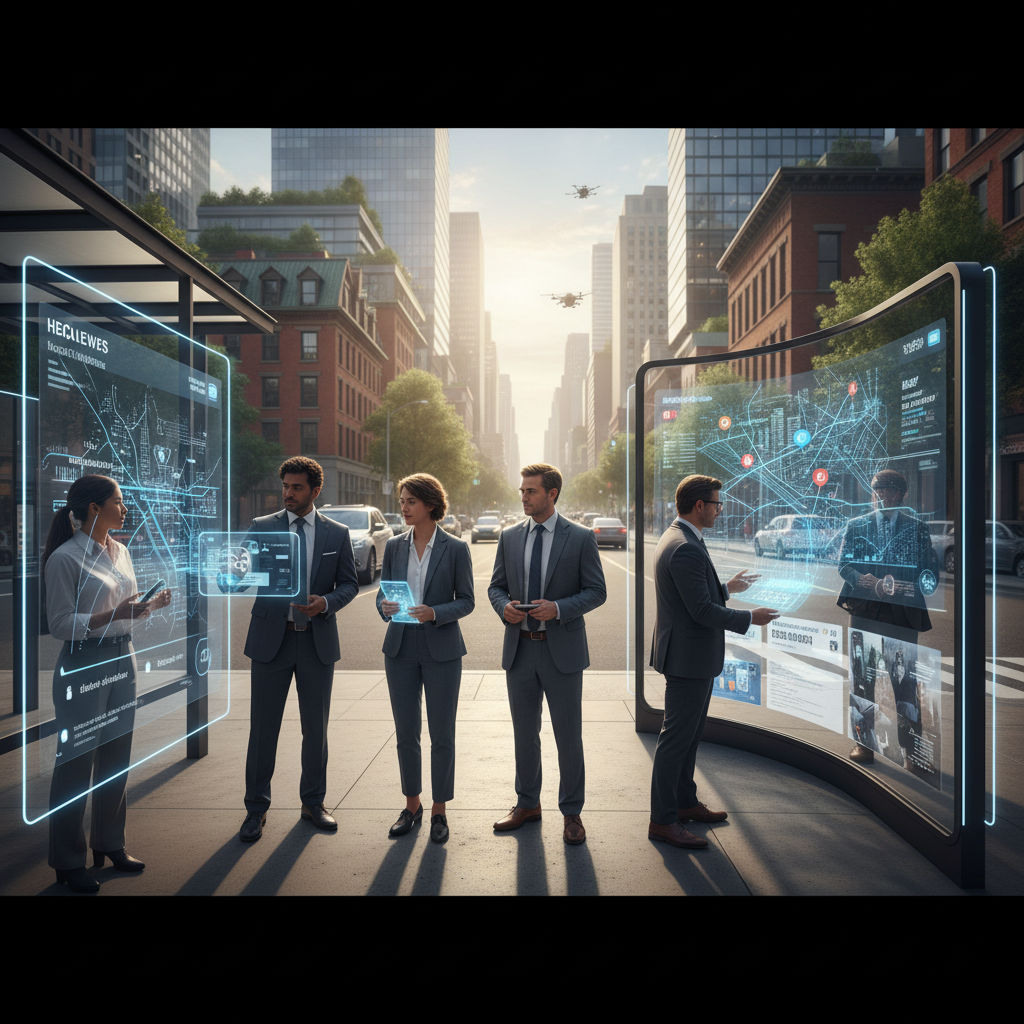
The digital landscape in the United Kingdom is evolving rapidly, with several key trends emerging in 2026 that are set to redefine how businesses operate and consumers interact. From the rise of artificial intelligence (AI) to the adoption of digital identities, these developments are paving the way for a more connected and efficient future.
Artificial Intelligence: A £21 Billion Industry
As of 2025, the UK's AI market is valued at over £21 billion, positioning it as the world's third-largest AI market. Projections indicate that this figure will exceed £1 trillion by 2035. The UK has consistently ranked third in private AI funding between 2013 and 2024, trailing only the United States and China. This growth underscores the nation's commitment to becoming a global leader in AI innovation. ([en.wikipedia.org](https://en.wikipedia.org/wiki/Artificial_intelligence_industry_in_the_United_Kingdom?utm_source=openai))
Digital Identities: The 'BritCard' Initiative
In September 2025, Prime Minister Keir Starmer announced the 'BritCard' initiative, a digital ID scheme aimed at all UK residents. The primary objective is to tackle issues such as illegal migrant crossings and to streamline the right-to-work verification process. While the proposal has faced opposition due to concerns over civil liberties, it marks a significant step towards digital transformation in public services. ([en.wikipedia.org](https://en.wikipedia.org/wiki/UK_Digital_ID?utm_source=openai))
Social Media and E-commerce: A £12.8 Billion Advertising Market
Social media continues to be a dominant force in the UK's digital landscape. In 2025, nearly half (49.3%) of UK internet users utilized social media platforms to discover products, driving a 12.6% year-on-year increase in total social ad spend, reaching £12.8 billion. Platforms like TikTok, YouTube, and Instagram are at the forefront of this growth, with TikTok leading in daily usage time on Android devices. ([linkedin.com](https://www.linkedin.com/posts/lauren-underwood_new-report-digital-2026-the-united-kingdom-activity-7396528140480573440-tYOK?utm_source=openai))
Digital Audio Consumption: The Rise of Podcasts
The UK's digital audio landscape is undergoing a significant transformation. In 2025, 68% of individuals aged 16 and above had ever listened to a podcast, up from 59% in 2021. This surge is attributed to the widespread adoption of smart devices and the integration of podcasts into daily routines, including in-car audio systems. The convenience and variety offered by podcasts have made them a preferred choice for many consumers. ([linkedin.com](https://www.linkedin.com/pulse/uks-digital-audio-landscape-2025-smart-devices-podcast-yxwhc?utm_source=openai))
Digital Transformation in Public Services
The UK government has prioritized digital infrastructure as a cornerstone for economic growth. Through programs like 'Project Gigabit,' the government aims to expand ultra-fast broadband to at least 85% of premises by 2025, with near-universal coverage targeted by 2030. This initiative is expected to enhance digital inclusion and stimulate tech adoption across both urban and rural areas. ([ldnconnected.co.uk](https://ldnconnected.co.uk/digital-transformation-in-the-uk-2025-trends-top-companies-services/?utm_source=openai))
Digital Marketing Trends: Emphasis on Sustainability
Consumers are increasingly eco-conscious and socially aware, making sustainability and social responsibility essential elements of branding. By 2025, over 83% of UK shoppers are more likely to purchase from businesses that align with their values on sustainability and ethics. Brands are expected to integrate sustainable practices into their operations, such as reducing carbon footprints and supporting social causes, to build trust and loyalty among consumers. ([wpsupportspecialists.com](https://www.wpsupportspecialists.com/top-digital-marketing-trends-uk-businesses-should-be-paying-attention-to-in-2025/?utm_source=openai))
Conclusion
The digital trends emerging in 2026 are reshaping the UK's technological and social fabric. From the rapid growth of AI to the integration of digital identities and the rise of digital audio consumption, these developments offer both opportunities and challenges. Staying informed and adaptable will be crucial for businesses and consumers navigating this dynamic digital landscape.


